Our Machines
Welcome to our canning machine classification page! Here, you will learn about different types of canning machines, as well as their characteristics and applications in production and packaging processes. Our canning machine classification page covers various types of machines, including filling machines, sealing machines, labeling machines, packaging machines, etc. Each machine has its unique functions and uses to meet the needs of different industries and products.
Product Category
-
- Uses high-pressure air to create hollow plastic containers.
- Suitable for beverage bottles, personal care product containers, and household cleaning product bottles.
- Shapes containers through blowing process.
-
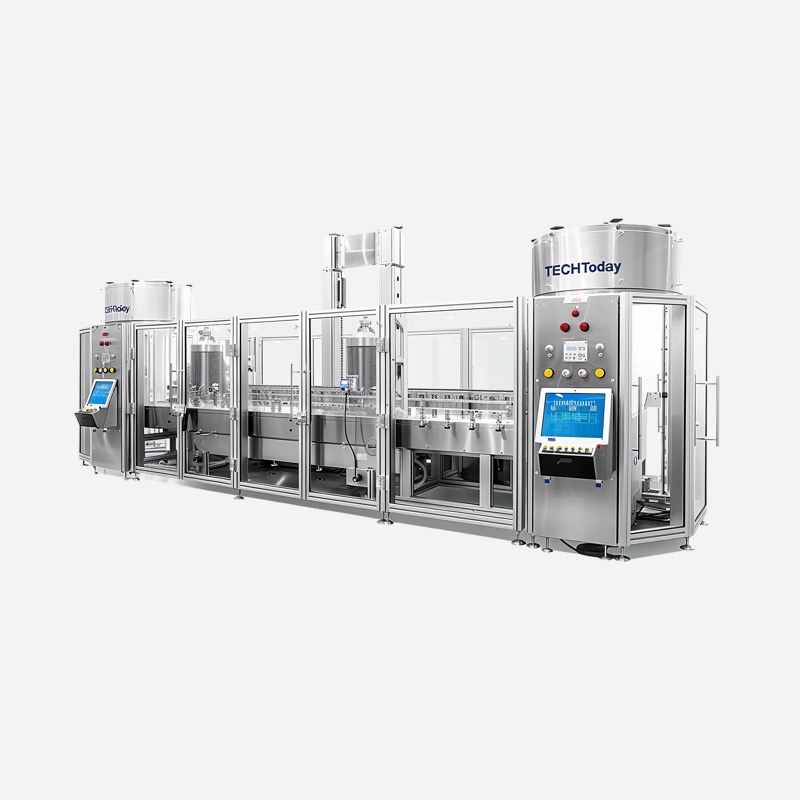
- Integrates blowing, filling, and capping operations into one system.
- Used in the beverage industry for seamless integration.
- Enables synchronized and efficient operations.
-
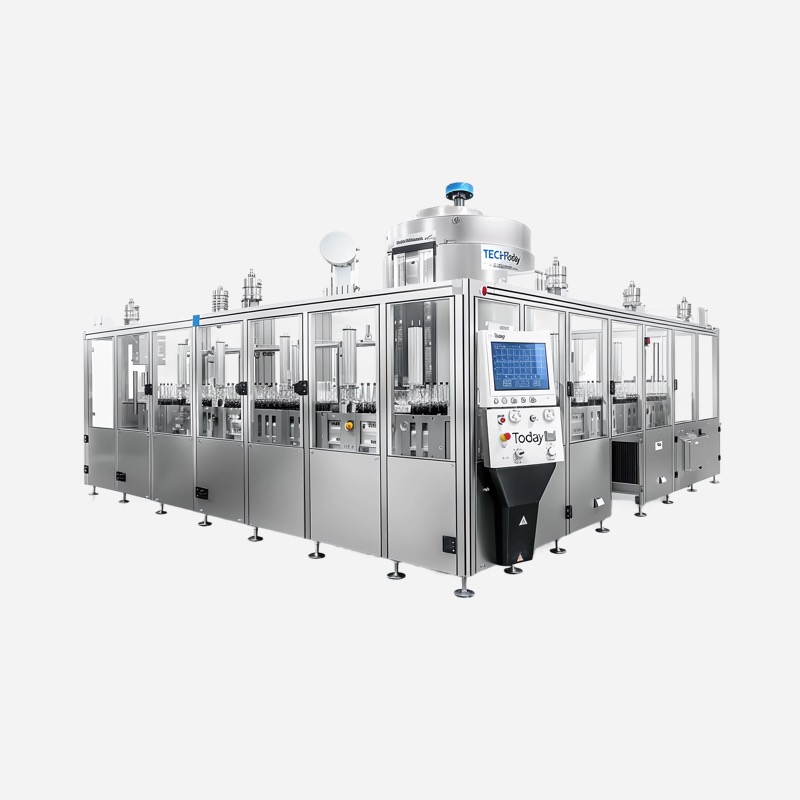
- Accurately fills liquid or semi-liquid products into containers.
- Applicable to beverages, food, pharmaceuticals, and chemicals.
- Different mechanisms based on product and container requirements.
-
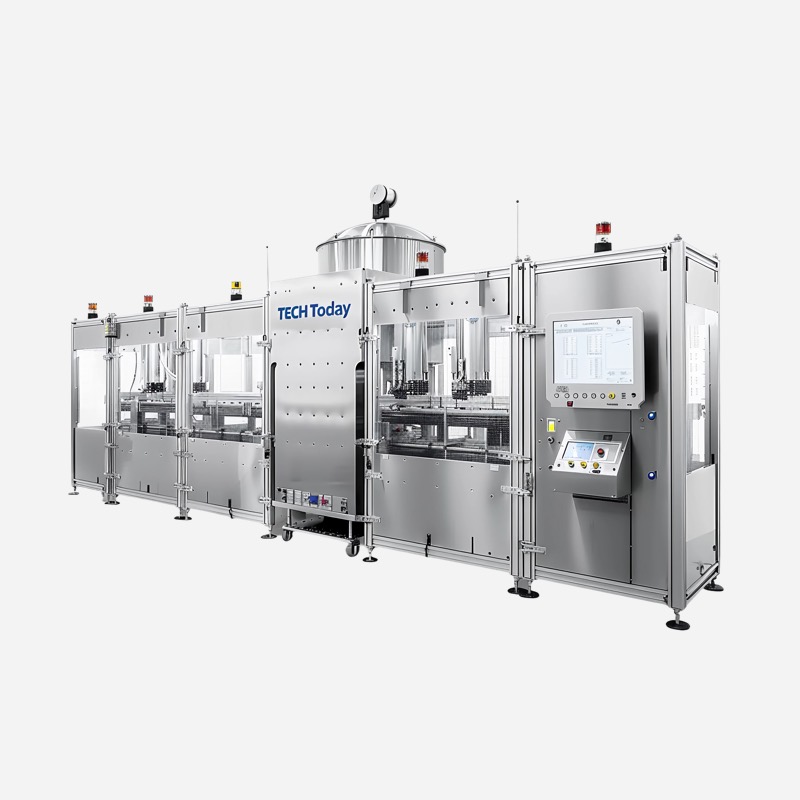
- Applies labels onto containers like bottles, cans, or boxes.
- Suitable for various label types.
- Ensures accurate and consistent label application.
-
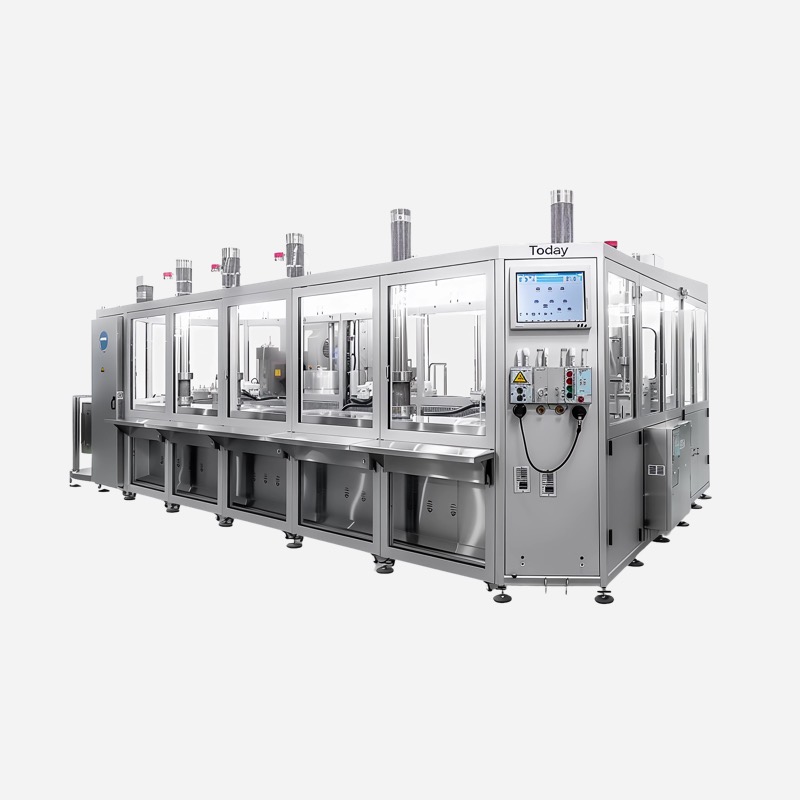
- Advanced integrated packaging system with blowing, filling, capping, and labeling functions.
- Offers high efficiency, space-saving, and increased productivity.
- Offers high efficiency, space-saving, and increased productivity.
-
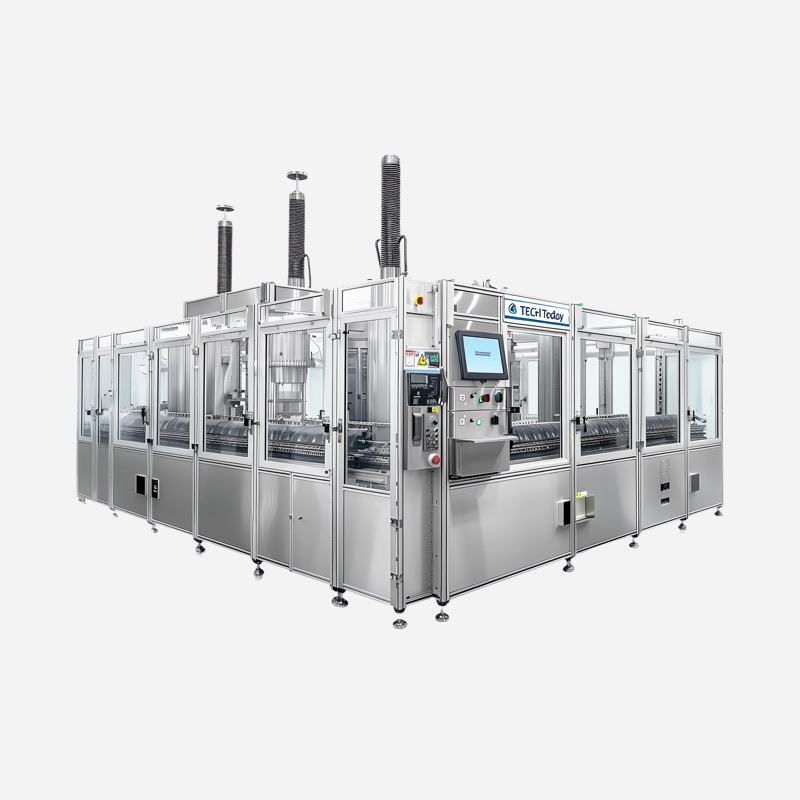
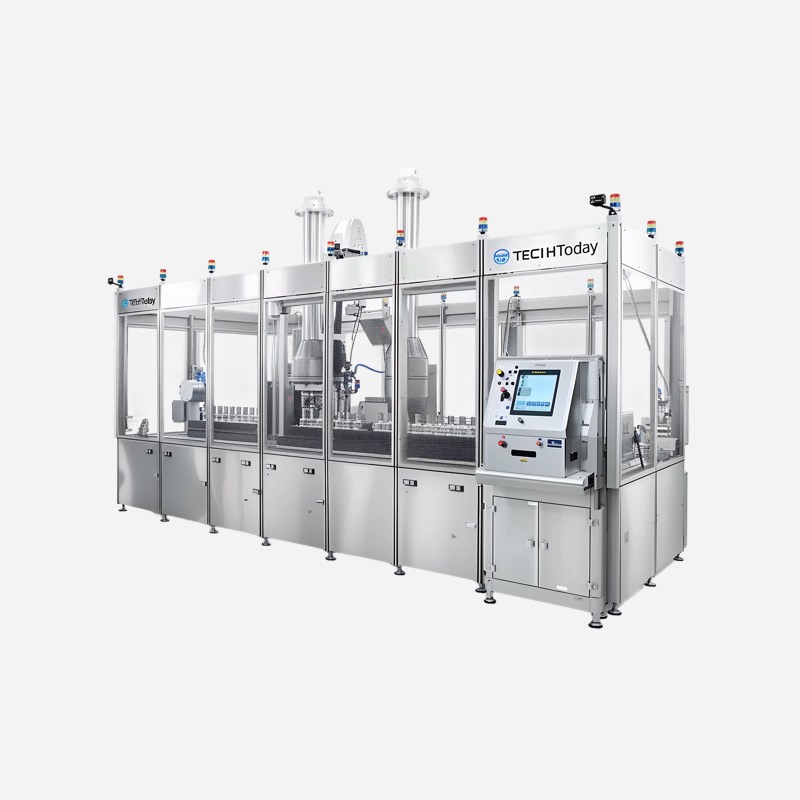
- Accurately fills liquid or semi-liquid products into containers.
- Applicable to beverages, food, pharmaceuticals, and chemicals.
- Different mechanisms based on product and container requirements.
Working Principle Of Filling Machines
Filling machines extract the product from storage tanks or reservoirs and precisely inject it into containers through a series of steps. These steps typically include product supply, measurement, flow control, filling, detection, and sealing. Filling machines extract the product from storage tanks or reservoirs and precisely inject it into containers through a series of steps. These steps typically include product supply, measurement, flow control, filling, detection, and sealing. Filling machines extract the product from storage tanks or reservoirs and precisely inject it into containers through a series of steps.
Accuracy And Speed Of Filling Machines
Modern filling machines have highly accurate filling systems that ensure precise control of filling volume to maintain product consistency and quality. At the same time, the automation level of filling machines continues to improve, enabling high-speed filling to enhance production efficiency. Modern filling machines have highly accurate filling systems that ensure precise control of filling volume to maintain product consistency and quality. At the same time, the automation level of filling machines continues to improve, enabling high-speed filling to enhance production efficiency.
Types Of Filling Machines
Filling machines can be classified based on different working principles and application areas. Common types of filling machines include gravity filling machines, pressure filling machines, vacuum filling machines, screw filling machines, and injection filling machines. Each type of filling machine has its applicable products and specific filling requirements.